
Currently Empty: ₹0.00
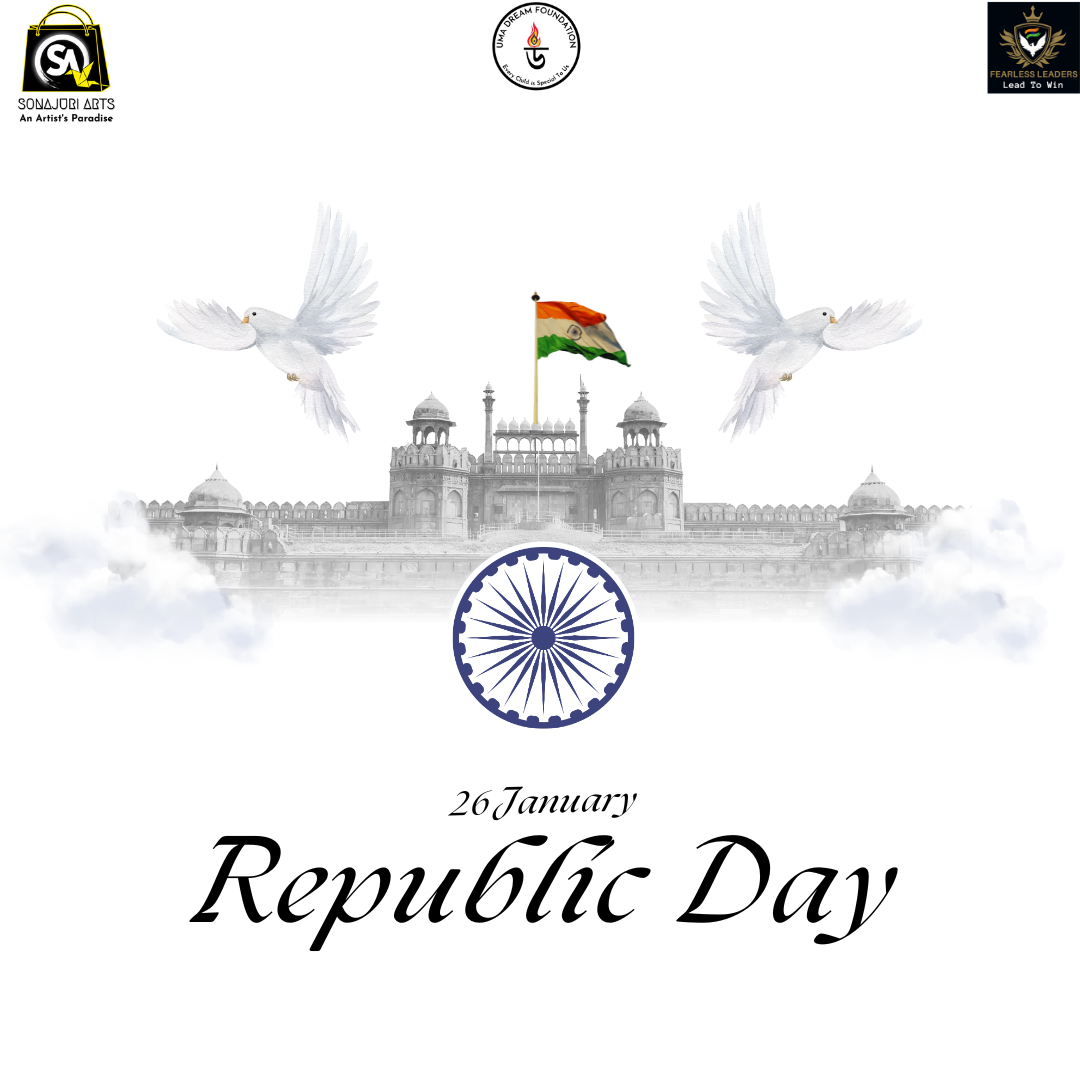
Every year on 26th January, India pauses to celebrate one of the most defining moments in its history—Republic Day. In 2026, this national festival once again reminds us of the values, struggles, and aspirations that shaped the world’s largest democracy. It is not just a public holiday marked by parades and patriotic songs, but a powerful reflection of India’s constitutional journey, cultural unity, and collective progress.
As we celebrate India Republic Day 2026, we honor the spirit of freedom, equality, and justice that continues to guide the nation forward.
The Historical Significance of Republic Day
Republic Day marks the day when the Constitution of India came into effect on 26 January 1950, transforming India from a British Dominion into a sovereign republic. Though India gained independence on 15 August 1947, it was the adoption of the Constitution that gave the country its own system of governance, laws, and democratic structure.
Dr. B. R. Ambedkar, the chief architect of the Constitution, along with the Constituent Assembly, worked tirelessly to create a document that would safeguard the rights of every Indian, regardless of caste, religion, gender, or region. Republic Day stands as a tribute to their vision of an inclusive and progressive India.
Republic Day 2026: A Reflection of Modern India
In 2026, India stands at a unique crossroads—deeply rooted in ancient traditions yet rapidly embracing innovation and global leadership. Republic Day celebrations this year reflect:
- India’s growing role on the world stage
- Advancements in technology, space, and infrastructure
- The strength of democratic institutions
- The unity found in diversity
The Constitution remains a living document, evolving with time while protecting the fundamental rights of citizens. Republic Day 2026 reminds us that democracy is not just a system of governance but a shared responsibility.
The Grand Republic Day Parade
One of the most iconic aspects of Republic Day is the grand parade at Kartavya Path (formerly Rajpath) in New Delhi. Watched by millions across the country and around the world, the parade is a spectacular display of India’s cultural richness and military strength.
Highlights of the Parade:
- President’s address and national salute
- Marching contingents of the Armed Forces and paramilitary forces
- Colorful tableaux from Indian states and union territories, showcasing regional heritage, art, and development
- Indigenous defense equipment and military capabilities
- Cultural performances representing India’s diversity
In 2026, the parade continues to emphasize Atmanirbhar Bharat, celebrating locally developed innovations and indigenous craftsmanship.
Cultural Diversity on Display
India’s diversity is its greatest strength, and Republic Day beautifully reflects this truth. From classical dance forms to folk traditions, from tribal art to modern expressions, the celebrations highlight the cultural mosaic of the nation.
Each state’s tableau tells a story—of history, progress, social change, and aspirations for the future. These visual narratives remind citizens that despite differences in language, food, and customs, India stands united under one Constitution.
The Role of the Constitution in Everyday Life
The Indian Constitution is not just a legal document—it is the moral backbone of the nation. It guarantees:
- Fundamental Rights such as equality, freedom of speech, and the right to life
- Duties of citizens, encouraging responsibility toward society and the nation
- Social justice, aiming to uplift marginalized communities
Republic Day 2026 serves as a reminder that the strength of democracy depends on informed, active, and responsible citizens.
Republic Day Beyond Delhi
While the national parade takes place in New Delhi, Republic Day is celebrated with equal enthusiasm across India:
- Flag hoisting ceremonies in schools, colleges, and offices
- Cultural programs by students and local communities
- Patriotic speeches, songs, and skits
- Honoring local heroes, teachers, and social workers
For children, Republic Day becomes an early lesson in patriotism and civic values. For adults, it is a moment of reflection and renewed commitment to the nation.
Republic Day and the Youth of India
India’s youth play a vital role in shaping the future of the republic. Republic Day 2026 emphasizes the importance of:
- Education and innovation
- Ethical leadership
- Social responsibility
- Respect for democratic values
Young entrepreneurs, artists, scientists, and changemakers embody the spirit of a modern India—confident, inclusive, and forward-looking.
Honoring the Protectors of the Nation
Republic Day is also a day of gratitude. The Bravery Awards, Padma Awards, and gallantry honors recognize individuals who have displayed exceptional courage and service to the nation.
From soldiers guarding borders to civilians saving lives in extraordinary circumstances, these heroes remind us that the republic thrives because of selfless dedication.
Republic Day 2026: A Call for Unity and Responsibility
As India grows economically and technologically, Republic Day 2026 reminds us that true progress lies in:
- Upholding constitutional values
- Promoting harmony and inclusiveness
- Protecting cultural heritage
- Encouraging sustainable development
Patriotism is not limited to waving the flag—it is reflected in everyday actions such as honesty, respect, compassion, and civic responsibility.
Conclusion: Celebrating the Republic, Every Day
India Republic Day 2026 is not just about commemorating the past—it is about shaping the future. It is a day to remember the sacrifices of freedom fighters, honor the wisdom of constitutional leaders, and recommit ourselves to the ideals of democracy.
As citizens of this great nation, let us celebrate Republic Day with pride, gratitude, and purpose—not only on 26th January, but every day, by contributing positively to society and upholding the values that make India truly incredible.
